
Isando
Five days to a readable dispatch pack.


Cab pack
One-page large-type briefs: stops, tolls, radio notes, and fuel bands.
Explore →
Scheduling
Depot arrival windows and dwell buffers so N3 and N1 plans stop colliding with gate queues.
Explore →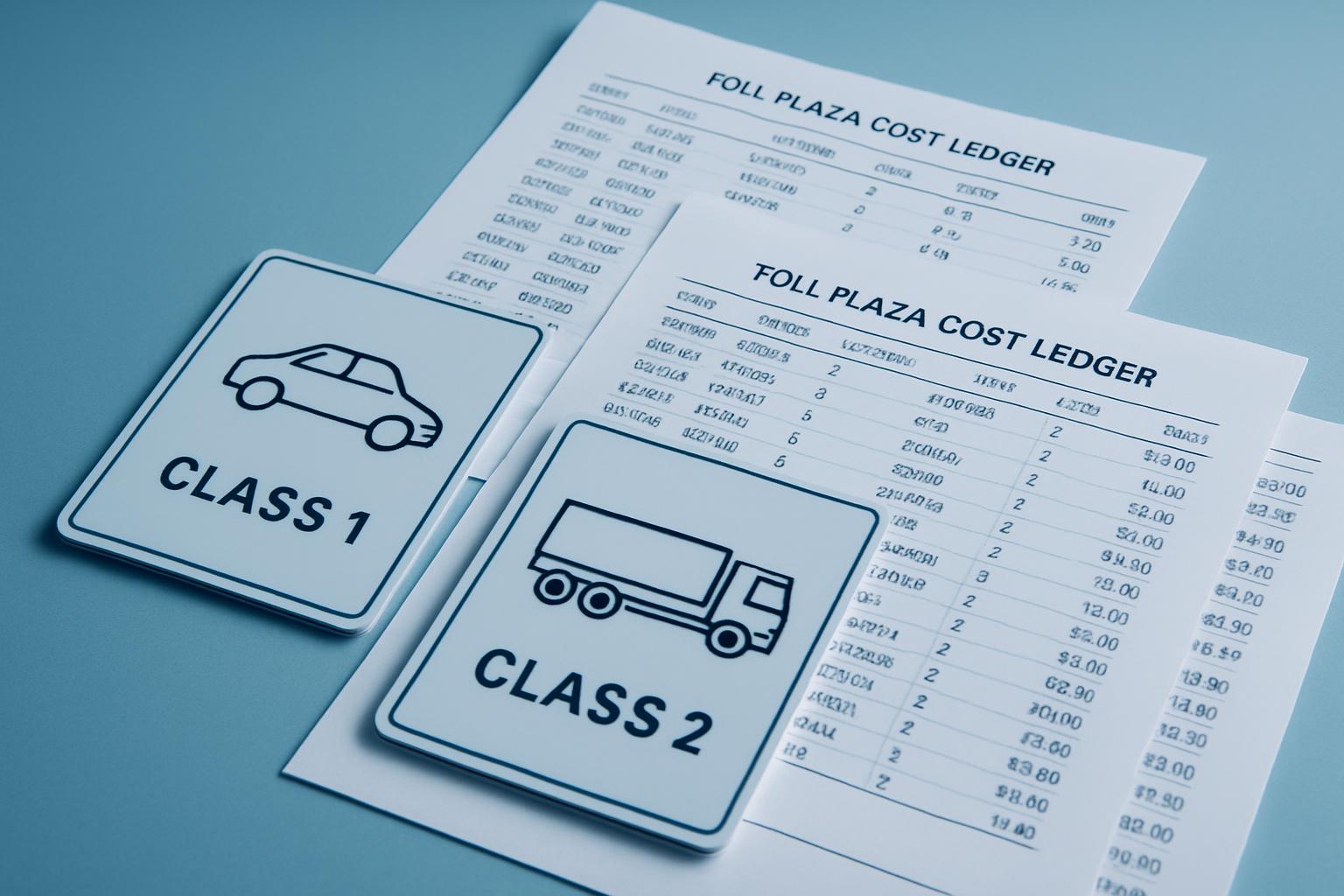
Toll supplier
e-toll and plaza cost forecasts by corridor and vehicle class.
Explore →This project ran in Isando with a dispatch team that needed corridor honesty, not map theatre. We opened with a blocker sentence, chose fleet tiles that matched the week, and kept a route checklist visible on the wall. Paper survives power cuts better than a forgotten slide.
What worked: narrow scope, daily fifteen-minute standups, and a handoff note that a regional supplier could continue. What failed when we tested wider scope: adding border paperwork mid-sprint, or treating toll compares as a Saturday afterthought. The lesson is now baked into our routes. Protect the checklist, delay the decoration.
Outcomes we measure are boring on purpose: documents complete, corridor cards owned, exceptions logged, follow-up within five working days. If you want a similar programme, email ops@autoroute.co.za with subject "Project like HQ supplier sprint" and your city.
South African fleet projects rarely fail for lack of software. They fail when ownership is vague and the week has no corridor card. Pair this project's fleet tiles with the matching route, read the dispatch note your author would hand a new hire, and keep Load-Shed Reroute nearby if fuel or power interrupts.
Interlink denser: fleet to routes to dispatch notes to corridor cards to desks. That web is the product. The photography is evidence, not the offer.